West India Quay bulky rubbish pickup for flats
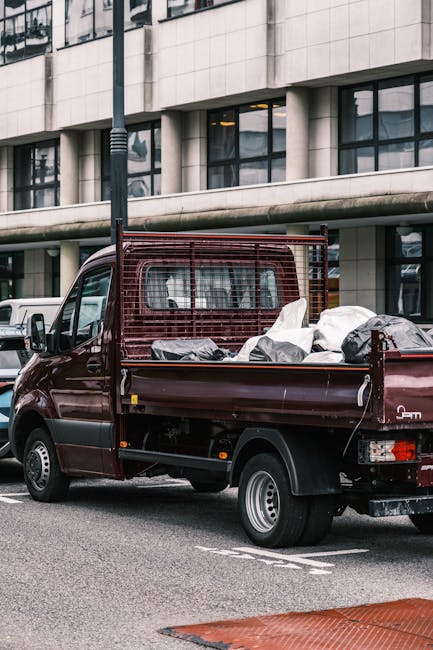
If you live in a flat at West India Quay, bulky rubbish has a way of becoming a bigger job than it first looks. A broken wardrobe in the hallway, a mattress leaning by the spare room door, an old sofa that will not fit in the lift - suddenly the problem is not just disposal, it is access, timing, neighbours, building rules, and how to get everything out without making a mess. That is exactly where a well-planned West India Quay bulky rubbish pickup for flats helps.
This guide explains how flat-based bulky waste removal works, what to expect, how to avoid awkward delays, and which approach makes the most sense for your building and your schedule. Whether you need a one-off clear-out or a more organised collection after a move, you will find the practical bits here. No fluff. Just the stuff people actually need to know.
West India Quay has its own rhythm - secure entrances, shared corridors, loading restrictions, and neighbours who quite rightly do not want a sofa parked in the lobby for half the morning. Let's make it simpler.
Why West India Quay bulky rubbish pickup for flats Matters
Bulky waste is not just "more rubbish". In flats, it creates a different kind of challenge. A bulky item has to move through a building that may have narrow hallways, lifts with size limits, concierge rules, and shared access points. If you ignore those practical details, what should be a straightforward pickup can turn into a slightly sweaty, mildly embarrassing ordeal. Truth be told, nobody wants to be that resident blocking the fire exit with a dismantled bed frame.
At West India Quay, many residents value convenience, tidiness, and speed. That matters because bulky rubbish left too long can affect the appearance of the building, create trip hazards, and attract complaints from neighbours or building management. It can also make your own life harder. The longer an unwanted item sits there, the more it gets in the way of daily living.
There is also the waste handling side. Bulky items often contain mixed materials - timber, metal, fabric, foam, plastics - which need sorting if you want them handled responsibly. A planned pickup makes that easier. It is not glamorous, sure, but it is one of those small jobs that quietly restores order to the flat.
Key point: in apartment living, bulky waste removal is as much about access and coordination as it is about disposal.
How West India Quay bulky rubbish pickup for flats Works
For flats, bulky rubbish pickup usually works in a few simple stages. The exact process can vary depending on the item size, building access, and whether the collection is a man-and-van style pickup, a skip-based solution, or a larger mixed-waste clearance.
1. Identify the item and the access route
Start by checking what needs to go. Is it a single sofa, several black bags plus old furniture, or a complete flat clear-out after a move? Then think about access. Will it fit in the lift? Can it be carried down stairs without damaging walls? Is there a service entrance or loading area you can use? These questions matter more than people expect.
2. Choose the collection method
Some bulky items are best suited to a direct rubbish removal service. Others may be better handled through man and van collections, particularly if the job is small and you need someone to do the lifting. If there is a larger volume of waste, a skip-based option such as domestic skip hire or rubbish removal may be more practical, depending on access and permission.
3. Book a time that works for the building
In flat blocks, timing is everything. Early mornings may be quieter. Midday might suit concierge access better. Evening collections can be tricky if there are noise or loading restrictions. If your building has a booking system or rules for contractors, follow them. Saves the headache later.
4. Prepare the items
Move smaller loose items away from the bulky item. Remove personal belongings, cables, cushions, and anything sharp or fragile. If the item can be dismantled safely, that often helps. A wardrobe in pieces is easier to manage than one awkward lump bouncing off the lift doors. Nobody enjoys that sound.
5. Collection, loading, and responsible disposal
On collection day, the team should remove the items from the agreed point, load them safely, and take them for sorting, reuse, recycling, or disposal. Many services now prioritise recovery of reusable and recyclable material where possible. That is good for cost control and better for the environment too.
For larger or more complex jobs, you may want to compare waste recycling services with a direct removal option. That gives you a clearer sense of what happens after the pickup, not just what happens at the front door.
Key Benefits and Practical Advantages
A good bulky rubbish pickup does more than clear space. It makes the entire flat feel easier to live in. That sounds obvious, but you notice it fast once the old furniture or clutter is gone. The room looks larger. Cleaning becomes easier. The place feels calmer.
- Less stress: no need to wrestle with large items yourself or borrow a friend's van.
- Better building etiquette: items are removed quickly instead of lingering in common areas.
- Safer movement: fewer trip hazards in hallways and entry spaces.
- Faster turnaround: useful for move-outs, refurbishments, or quick resets after furnishing changes.
- More appropriate disposal: items can be sorted for recycling or reuse where possible.
One practical advantage people often miss is time. A single bulky item can take an afternoon if you try to solve it yourself, especially if you are dealing with stairs, parking, or awkward dimensions. Paying for a proper pickup can feel very ordinary, but the time saved is often the real benefit. And yes, your back will probably thank you too.
For residents dealing with a bigger clear-out, services such as house clearance or garage and loft clearance may offer a better overall fit than one-off item removal. It depends on volume, access, and how much sorting you want done for you.
Who This Is For and When It Makes Sense
This service makes sense for a wide range of flat residents and property situations at West India Quay.
- Tenants moving out and leaving behind bulky furniture they cannot transport.
- Homeowners replacing a sofa, mattress, or white goods.
- Landlords preparing a flat for new occupants.
- Letting agents and property managers handling end-of-tenancy clearances.
- Residents doing a declutter after long periods of accumulation.
- People who have bought second-hand furniture and need the old item removed first.
It also makes sense when the building itself is the main obstacle. Maybe your lift is too small, parking is restricted, or there is no obvious place to put a skip. Maybe the concierge only allows collections at certain times. In those cases, a pickup service that understands flats is usually the better option.
Sometimes the decision is easy: one broken mattress, one collection, done. Other times it is more nuanced. If you have a lot of mixed household waste, compare a pickup against wait and load skip hire or even same-day skip hire if timing is tight and access works. Different problems need different tools. Not every job is a hammer job, if you know what I mean.
Step-by-Step Guidance
If you want the process to go smoothly, follow a simple plan. It sounds basic, but a bit of structure saves a lot of back-and-forth later.
- List the items clearly. Write down each bulky item and note whether it is dismantled, broken, or still usable.
- Measure the largest pieces. Check width, height, and depth against stairwells, lift doors, or access routes.
- Check building rules. Confirm any restrictions with your managing agent, concierge, or residents' association.
- Choose the right removal method. Small loads may suit a direct pickup; bigger or mixed loads may suit a skip or clear-out service.
- Book a suitable time. Aim for a slot that avoids peak traffic through communal areas.
- Prepare the area. Clear hallways and protect floors if you can.
- Separate hazardous or restricted items. Do not mix dangerous waste into a general bulky collection unless the service has explicitly agreed to it.
- Confirm the final collection point. Be precise about whether items will be left outside, in a loading bay, or inside the property until pickup.
Here is a small but helpful tip: take photos of the items before collection. It reduces confusion, especially if you are asking for a quote remotely. One quick picture of the sofa, the mattress, or the piled-up hallway can tell the whole story in seconds.
If your job includes appliances, you might also need a specialist collection for items such as fridges or cookers. In that case, look at fridge and appliance removal rather than assuming everything can be bundled together. That little distinction matters more than people realise.
Expert Tips for Better Results
In our experience, the jobs that go best are the ones where the resident thinks like a planner for ten minutes, not a fire-fighter at the last minute. That is usually enough.
- Disassemble where safe. Flat-pack furniture, bed frames, and shelving are easier to move when broken down.
- Keep screws and fittings in a labelled bag. If you are reusing or selling anything, this avoids a mess later.
- Separate reusable from waste. A decent sofa, table, or chair may still have life in it. Not everything needs to be thrown away.
- Protect communal spaces. Use blankets or cardboard if items must pass through tight shared areas.
- Be realistic about weight. A bulky item can be light but awkward, or small but surprisingly heavy. That old filing cabinet, for example, can be a real shoulder tester.
- Book sooner rather than later. If you are working to a move-out deadline, leaving it to the last day is asking for trouble.
Another useful habit is to group items by type. Put furniture together, appliances together, and loose clutter in separate piles. It makes loading quicker and gives the collection team a clearer job. Simple, but effective.
For larger clear-outs, it can help to explore site clearance or construction waste disposal if the waste includes refurbishment debris. Flats undergoing works often produce a mix of household and trade-type waste, and sorting that early is smarter than sorting it in the hallway later.
Common Mistakes to Avoid
Most problems with bulky rubbish pickup are avoidable. Usually it is one of the same handful of issues cropping up again and again.
- Leaving items until the last minute. This is the classic one. Then the lift is booked, the neighbour is home, and the weather is miserable. Brilliant.
- Not checking access in advance. A sofa that fits your living room might not fit your stairwell. That happens more often than people think.
- Assuming all waste can go together. Hazardous, electrical, and specialist items may need separate handling.
- Blocking communal areas. Even for a short time, this can create complaints or safety concerns.
- Forgetting building permissions. Some properties require notice for collections, vehicle access, or contractor entry.
- Choosing the wrong service for the volume. A single-item pickup is not always the best value for a full clear-out, and vice versa.
There is also a softer mistake: not asking enough questions. If you are unsure whether an item qualifies as bulky waste, ask before booking. That one extra conversation can prevent a no-show, a surcharge, or a frustrating delay.
Tools, Resources and Recommendations
You do not need much equipment to organise a flat pickup, but a few simple tools make life easier.
- Measuring tape: useful for checking whether furniture will fit through doors or lifts.
- Marker labels: handy if you are sorting items into keep, donate, recycle, and remove.
- Strong bags or boxes: for loose bits that would otherwise scatter everywhere.
- Phone camera: ideal for photos when requesting a quote or confirming the load.
- Gloves: sensible when handling dusty, sharp, or awkward items.
As for service types, here is a quick practical guide. If you want one scheduled pickup and you have a manageable amount of bulky waste, a direct rubbish removal or man and van service often feels easiest. If the job is larger, compare skip hire with grab hire services, especially if access is awkward or there is mixed material to shift.
If you are trying to decide what can and cannot go, a useful starting point is what can go in a skip. Even if you do not end up hiring a skip, the guidance helps you think through the kinds of materials typically accepted and which items need separate treatment.
And yes, if the place is still full of boxes from the move-in three months ago, you are in good company. Happens all the time.
Law, Compliance, Standards, or Best Practice
For flats in West India Quay, compliance is mostly about using a responsible carrier, keeping communal areas clear, and ensuring waste is handled in line with accepted UK practice. You do not need to become an expert in waste legislation, thankfully, but a few principles matter.
First, waste should be taken by a service that is set up to handle it properly. That includes sorting, transport, and disposal or recovery through approved channels. If you are handing waste to someone, it is sensible to use a reputable provider that can explain how the waste will be managed.
Second, building rules matter. Many apartment blocks have expectations around access, booking, lift use, and how long items can remain in communal spaces. Those rules are not just bureaucracy for the sake of it; they help maintain safety and order for everyone living there.
Third, some items need special care. Electrical appliances, hazardous materials, and certain bulky items may need separate handling. If there is any doubt, ask before mixing them into a general load. It is the safer route, and usually the cleaner one too.
For general peace of mind, it helps to review provider details such as insurance and safety alongside health and safety policy. Those pages can tell you a lot about how seriously a company takes site work, access issues, and staff safety. Also worth a look is recycling and sustainability if you want a clearer picture of how the waste stream is handled after collection.
Best practice in one sentence: keep the item list accurate, the access route clear, and the waste separated where needed.
Options, Methods, or Comparison Table
Choosing the right approach depends on size, access, urgency, and how much lifting you want to do yourself. Here is a simple comparison to make the decision easier.
| Method | Best for | Pros | Watch-outs |
|---|---|---|---|
| Man and van | One-off bulky items or small loads in flats | Flexible, usually good for awkward lifting, minimal fuss | May not suit very large volumes |
| Skip hire | Larger clear-outs or mixed household waste | Good capacity, simple if access allows | May need space or permit considerations |
| Wait and load | Areas where on-street placement is difficult | No long-term skip sitting outside | Requires efficient loading and preparation |
| Grab hire | Bigger loads, heavier waste, mixed material | Fast collection, useful for larger jobs | Less suited to tight access points |
| Direct rubbish removal | Residents wanting a complete hands-off pickup | Convenient and simple | Can be less economical for very large jobs |
If you are weighing up cost versus convenience, the biggest question is not just "what is cheapest?" It is "what gets this done cleanly, safely, and without eating half my weekend?" That is the real test.
For people who need a permit-aware solution, the pages on skip hire permits and skip permits can be helpful if a skip is the right route. The permit side is one of those dull-but-important details that can ruin an otherwise smooth job if ignored.
Case Study or Real-World Example
A resident in a West India Quay flat recently needed to clear a sofa, a broken bed base, and several boxes of old household bits before a tenancy change. The flat itself was fine, but the corridor was tight, the lift was small, and the building had a firm rule about not leaving items in communal areas overnight.
Rather than trying to move everything in stages and risk damaging the walls, the resident measured the largest item first, checked the lift dimensions, and booked a collection for a quiet mid-morning slot. The sofa was photographed for the quote, the bed base was dismantled in advance, and loose items were bagged separately. The team collected everything in one visit, the hallway stayed clear, and the flat was reset the same day.
What made the difference? Not luck. Just preparation. The collection itself was straightforward because the awkward bits had already been thought through. That is usually how these jobs go when they go well.
In another case, a resident thought a mattress and wardrobe could simply be left outside the flat door until pickup. The building manager said no, understandably. The fix was to book a timed collection and keep the items inside until the team arrived. A tiny change, but it avoided a complaint and a lot of frustration. Small thing. Big relief.
Practical Checklist
Use this quick checklist before your collection day. It saves faffing around later.
- Measure bulky items and check access points.
- Confirm lift, stair, and doorway clearance.
- Check building rules for collection times and contractor access.
- Remove personal items from furniture and drawers.
- Separate reusable, recyclable, and disposable waste where possible.
- Label items that must stay or must go.
- Keep communal areas clear.
- Take photos for reference if you are requesting a quote.
- Ask about any items that may need special handling.
- Confirm where the collection team will meet you.
Quick summary: measure, sort, confirm access, and collect on time. That simple sequence avoids most problems.
Conclusion
West India Quay bulky rubbish pickup for flats is really about making flat living work without the clutter and hassle taking over. When you get the access, timing, and item handling right, the whole job becomes far easier than it first appears. A bit of planning goes a long way, especially in apartment buildings where space is shared and people notice if something is left out of place.
If you are facing a single awkward item or a fuller clearance, choose the method that suits the building as much as the waste. That is the trick. Not just removing rubbish, but removing it in a way that fits the reality of flat living. And once it is done, the place feels lighter. Calm, even. Which, let's face it, is worth quite a lot.
If you are ready to sort it properly, start with the item list, check the access, and make the booking before the clutter turns into another weekend headache.
Get a free quote today and see how much you can save.
Frequently Asked Questions
What counts as bulky rubbish in a flat?
Bulky rubbish usually means large items that are difficult to move in normal household bags, such as sofas, mattresses, wardrobes, tables, shelving, and some appliances. In flats, even medium-sized items can count as bulky if they are awkward to carry through lifts or stairwells.
Can bulky rubbish be collected from inside the flat?
Yes, many services can collect from inside the flat if access is arranged in advance. That said, building rules, lift size, and corridor width all matter. It is always better to confirm the pickup point before collection day.
Do I need permission from my building manager?
Often, yes. Many apartment blocks have rules about contractor access, use of communal spaces, and collection times. A quick check with the building manager or concierge can prevent delays or complaints.
Is it better to use a skip or a man and van service?
It depends on the volume and access. A man and van style pickup is usually better for one-off bulky items or smaller flat clear-outs. A skip can make more sense for bigger jobs, provided there is space and any permit issues are sorted.
What if my sofa or wardrobe does not fit in the lift?
If the item will not fit, it may need to be dismantled, carried via stairs, or removed through a different access route. Measure first. It sounds basic, but it avoids a lot of last-minute panic.
Can I leave bulky items in the hallway for pickup later?
Usually not unless the building explicitly allows it. Hallways are shared spaces and may need to stay clear for safety and fire access. Keep items inside until the agreed collection time if possible.
Are electrical items handled differently?
Yes, electrical and appliance items often need separate handling, especially if they contain refrigerants or require specialist processing. Check before mixing them with general bulky waste.
How do I prepare bulky items for collection?
Remove personal belongings, detach loose parts, and clear a path to the collection point. If safe to do so, dismantle large furniture. Keep fixings in a bag if you might reuse the item later.
What is the cheapest way to remove bulky rubbish from a flat?
The cheapest option depends on volume, access, and urgency. For one or two items, a direct pickup can be cost-effective. For larger clear-outs, comparing a skip, wait-and-load, or full removal service may give better value overall.
Can bulky rubbish be recycled?
Some of it can, yes. Timber, metal, and certain plastics are often suitable for recycling or recovery, depending on condition and material type. Mixed items may need sorting first, which is why responsible disposal matters.
How quickly can a pickup be arranged?
That depends on availability and the size of the job. Small collections can often be arranged fairly quickly, while larger flat clear-outs may need a bit more coordination. If you are working to a deadline, book early.
What should I do if I am not sure whether an item is accepted?
Ask before booking. Describe the item clearly or send a photo if the service allows it. That one step can save you from delays, extra charges, or an item being left behind on the day.
And if all of this feels like a lot, fair enough - it can be. But once you break it into steps, it is very manageable. A bit of planning, the right service, and a clean exit from the flat. Simple enough, really.