Complaints Procedure for Skip Hire Docklands and Related Rubbish Services
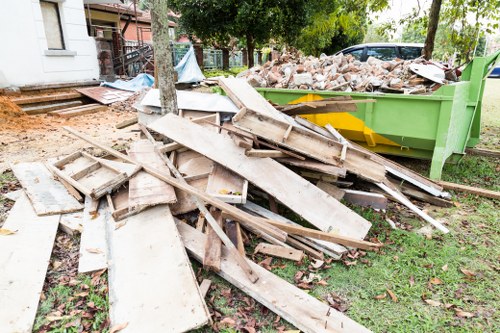 This document sets out the formal complaints procedure used by our skip hire operation and associated rubbish collection services. It applies to all matters where a customer or third party believes that a service provided by a skip hire or waste removal contractor has failed to meet expected standards. The aim is to resolve concerns fairly and efficiently while recording outcomes for continuous improvement. This policy covers the full lifecycle of a complaint, from initial acknowledgement to final resolution and any escalation rights.
We encourage clear, concise descriptions of the issue including dates, locations and the nature of the problem. While the phrase Skip Hire Docklands and its variants such as Docklands skip hire and skip hire in Docklands are used for optimisation, this procedure is deliberately general to remain legally appropriate for a rubbish company service area and to protect privacy. Complaints can relate to delivery, collection, damage, pricing or environmental concerns arising from waste handling.
 All complaints will be logged on receipt and assigned a unique reference number. That initial log includes the complainant's summary, date and time, the service type (for example, skip delivery, waste uplift or recycling collection) and any immediate remedial steps. An internal acknowledgement will be issued within a defined timeframe. Our approach is to act proportionately and transparently: small issues may be resolved informally while more complex concerns will follow a formal investigation route.
Investigations will be carried out by trained staff with appropriate operational knowledge of skip hire, rubbish removal and waste management processes. Investigators will collect relevant evidence which may include vehicle logs, driver reports, site photographs, and third-party statements. We respect confidentiality during the investigative phase and will not disclose sensitive personal data except where legally required or where necessary to resolve the complaint.
 The formal review process is guided by clear timescales: an acknowledgement within 3 working days, a substantive response within 15 working days where feasible, and interim updates if further time is required. If a complaint requires specialist technical or environmental assessment, additional time may be necessary; in such cases we notify the complainant of the expected delay and the reasons. This ensures a balance between speed and thoroughness in resolving matters relating to skip hire services and rubbish removal operations.
Outcomes are determined after careful assessment and may include: an explanation of events; an apology where appropriate; corrective actions such as re-collection or replacement; process changes to prevent recurrence; or a formal offer of remediation. Findings are recorded and retained to support service improvements. The decision will be communicated clearly, using plain language and referencing the complaint number so that the outcome is traceable and verifiable.
Escalation, Remedies and Record-Keeping
Where a complainant remains dissatisfied after the formal response, there is an internal escalation route. A second-stage review is conducted independently from the original investigator by a senior manager or a nominated complaints officer. The escalation assesses whether the initial investigation was adequate and whether proposed remedies were proportionate. This step is separate from external dispute resolution options that may be available under consumer protection or environmental regulation.
Remedies for substantiated complaints might include (but are not limited to):
- refunds or discounts for service shortfalls
- re-scheduling of missed pickups
- replacement equipment where damage is proven
- changes to operating procedures to address systemic issues
Record-keeping is maintained for all complaints and related actions. Records include the complaint log, investigatory evidence, correspondence and final outcomes. Storage complies with data protection principles and retention schedules that balance business need with legal obligations. Records are used to monitor trends and improve the quality of skip hire and rubbish services across the service area.
Monitoring, Review and Rights
We use complaint data to monitor performance and to identify training needs, policy adjustments or process redesign. Regular reports summarise complaint categories, response times and resolutions. These reviews help the business to raise standards in skip hire provision, rubbish disposal practices and customer service. Staff are trained on the complaints process to ensure consistent application and to support impartial investigations.
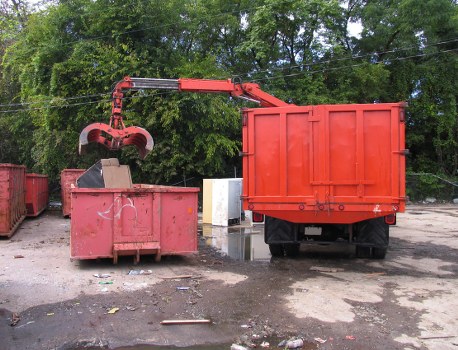 Complainants retain the right to pursue external remedies where appropriate, including referral to regulatory bodies or consumer protection entities. This procedure does not limit any statutory rights and is offered as the company's internal mechanism for resolving disputes quickly and professionally. It is intended to provide a clear pathway for resolution while informing continuous improvement across all waste and skip hire activities.
 Finally, the procedure emphasises respectful communication: parties are expected to engage constructively. Abuse or harassment of staff is not acceptable and may result in the complaint being closed if it prevents a fair investigation. Our objective is to treat complaints as opportunities to improve. Through transparent handling, timely responses and documented outcomes, the skip hire and rubbish removal services strive to maintain high standards and public trust.