Health and Safety Policy — Skip Hire Docklands Operations
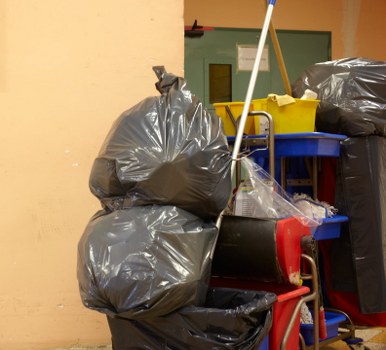 Skip Hire Docklands is committed to protecting the health, safety and welfare of all employees, contractors and members of the public affected by our rubbish removal and skip hire services. This policy sets out the principles that govern safe working practices across our service area and reflects a clear organisational commitment to preventing injury, reducing occupational ill-health and minimising environmental harm. We will be proactive in managing risk and ensure safe systems of work are defined, implemented and maintained.
Scope and organisational responsibility
The policy applies to all skip hire operations, waste collection, site visits and vehicle movements conducted on behalf of the company. Senior management holds ultimate responsibility for health and safety, while operational managers and supervisors are accountable for day-to-day implementation. Employees and subcontractors must follow safety procedures, attend mandatory training and report unsafe conditions. Clear roles and responsibilities will be documented and communicated to maintain a consistent approach to safety across our rubbish removal services.
 We will ensure that risk assessments are completed for routine and non-routine tasks, and that control measures are proportionate to the level of risk. Controls include safe manual handling techniques, appropriate use of PPE, and safe skip loading protocols. Our commitment to continual improvement means we will periodically review assessments and update procedures when changes to operations or legislation occur.
Hazard control and safe handling of waste
Hazards associated with skip hire and waste transport include manual handling injuries, vehicle interactions, hazardous materials and environmental contamination. Controls will be implemented to eliminate or reduce risk, including segregation of waste streams, clearly marked containment areas and secure load restraint in vehicles. Procedures will prohibit acceptance of unknown hazardous waste without specialist assessment and will require immediate segregation and notification where suspected hazardous items are encountered.
Practical measures for operational safety include:
- Vehicle and traffic management: defined routes, banksman systems and vehicle checks;
- Site layout and skip placement: safe access, stable ground and signage;
- PPE and equipment: gloves, high-visibility, steel-toe boots and lifting aids.
 Emergency preparedness is essential. All personnel will understand spill response, fire procedures and first aid arrangements. We will maintain spill kits, fire extinguishers and trained first aiders appropriate to the scale of our operations. Incidents, near misses and unsafe acts must be reported promptly so corrective action can be taken and lessons shared across the business.
Training, competence and communication
We will provide targeted training to ensure competence in skip hire operations, vehicle safety, manual handling and hazardous waste awareness. Inductions are mandatory for new starters and visiting contractors. Regular toolbox talks and refresher programmes reinforce safe behaviours and operational standards. Competence assessments will be recorded and reviewed to confirm that staff remain fit for duty.
Monitoring and inspection programmes will check adherence to procedures and identify opportunities for improvement. Supervisors will conduct pre-shift checks and periodic audits, and metrics such as incident frequency, near-miss reports and audit scores will inform management review. Corrective actions will be tracked to closure and communicated to relevant teams.
Contractors and subcontractors engaged for skip delivery, collection or specialist waste handling must comply with our safety expectations. Contractors will be selected on the basis of competence, safety performance and documented safe systems of work. Where necessary, site-specific risk assessments and inductions will be completed before work commences.
Environmental protection and operational integrity
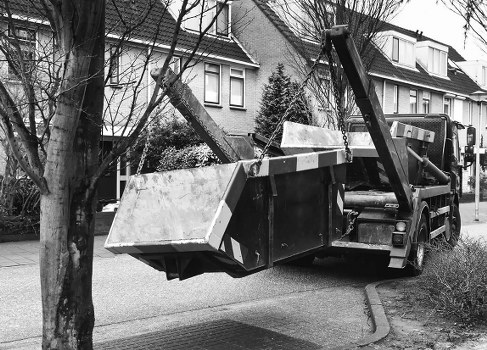 Our waste management approach emphasises recycling, waste reduction and responsible disposal. Measures to protect the environment include containment of loose materials, dust suppression during loading, prevention of leaks and appropriate transfer of hazardous wastes to licensed facilities. We will maintain records of waste movements and ensure that operations avoid contamination of watercourses, soil and neighbouring properties.
Performance indicators will include recycling rates, incident reduction and compliance with transport and waste carriage standards. Continuous improvement will be pursued through regular review cycles, corrective action implementation and consultation with the workforce on practical safety enhancements.
 In conclusion, this health and safety policy sets out our commitment to safe, reliable skip hire and rubbish collection services. We will allocate adequate resources to implement the policy, support staff training, and ensure robust controls remain effective. All employees and contractors are expected to actively support these objectives by adhering to procedures, reporting hazards and participating in safety initiatives. The policy will be reviewed periodically to reflect operational changes, lessons learned and evolving best practice.